
How Seafood Buyers Can Plan for Seasonal Supply and Procurement Risk?
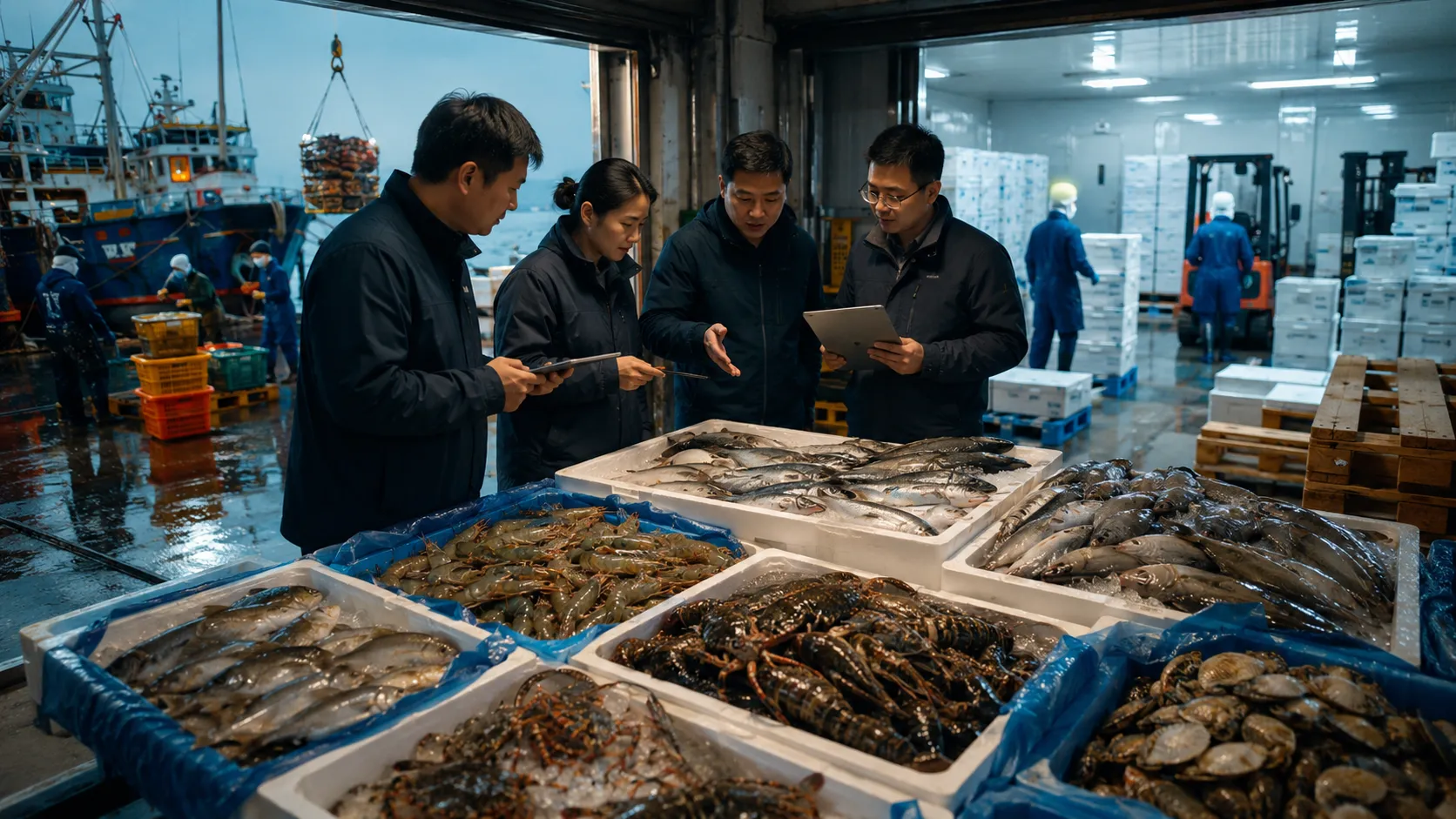
Seafood supply is influenced by seasonality, harvest conditions, regional availability and changing market demand. For B2B buyers, this means that procurement cannot always be managed as if every product were equally available throughout the year.
A more practical approach is to plan ahead for seasonal changes, define acceptable alternatives and keep communication open between sourcing, processing and purchasing teams.
Understand Which Products Are More Seasonal
Some seafood products are available more consistently than others. Buyers should identify which species, sizes or product forms are more likely to fluctuate and which items can be sourced more steadily throughout the year.
This helps procurement teams separate core products that require stable supply from seasonal products that may need more flexible purchasing plans.
Plan Order Timing Around Expected Availability
When a product has a stronger seasonal pattern, ordering too late can create unnecessary pressure on price, lead time and specification availability.
Advance planning allows the supplier to coordinate sourcing and production earlier. It also gives the buyer more time to confirm quantities, packing requirements and delivery schedules.
Define Acceptable Alternatives Before They Are Needed
Procurement risk can be reduced when buyers and suppliers agree in advance on acceptable alternatives. These may include a nearby size range, a different pack configuration or another product form that still fits the buyer’s downstream use.
This does not mean replacing specifications without approval. It means creating a clear fallback plan so that both sides know what options can be discussed when supply conditions change.
Use Forecasts to Improve Supply Coordination
Even a basic purchasing forecast can help suppliers plan sourcing and processing more effectively. Buyers do not always need to provide a fixed long-term commitment, but sharing expected demand ranges can improve coordination.
For repeat B2B programs, forecast information can also help reduce urgent purchasing and make inventory planning more predictable.
Balance Availability, Specification and Cost
The lowest unit price is not always the best procurement result if the product becomes unavailable or the specification changes frequently.
A stronger supply plan balances product availability, specification consistency, cost and delivery requirements. This makes it easier for buyers to maintain downstream supply while reducing the impact of seasonal market changes.