
Seafood Supply Planning for Retail, Foodservice and Institutional Buyers
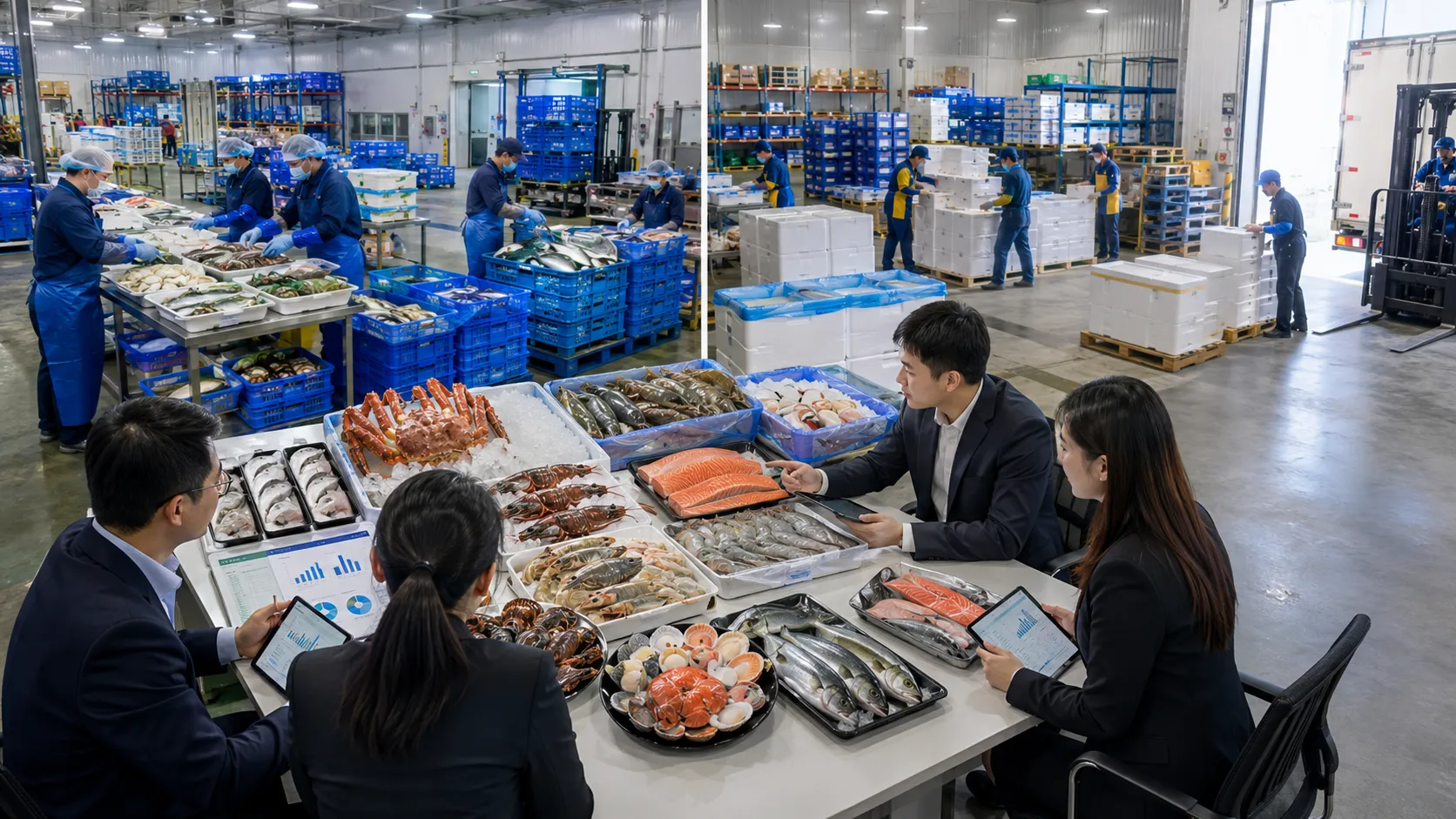
Seafood buyers in different sales channels often purchase similar species but need very different supply programs. A retail customer may focus on presentation and pack size, while a foodservice operator may prioritize portion consistency and preparation efficiency.
For suppliers, understanding these differences makes it easier to match sourcing, processing, packaging and delivery to the buyer’s actual operating model.
Retail Buyers Need Shelf-Ready Consistency
Retail seafood programs often require consistent appearance, clear labeling, consumer-friendly pack sizes and predictable replenishment.
Products may need to be prepared in a way that reduces handling at store level. Packaging and presentation therefore become a larger part of the supply requirement.
Foodservice Buyers Focus on Kitchen Efficiency
Restaurants, catering companies and foodservice distributors often care about portion size, usable yield and preparation time.
A product that arrives in a consistent cut or portion format can help kitchens control food cost and reduce labor. For these buyers, processing specifications can be closely tied to menu planning.
Institutional Buyers Require Stable Supply Programs
Hospitals, schools, corporate canteens and other institutional buyers may purchase through scheduled programs with defined specifications and receiving procedures.
Consistency, documentation, delivery timing and the ability to support repeat supply can be particularly important in these channels.
Wholesalers Need Flexibility Across Customer Types
Wholesalers may serve several downstream channels at the same time. This means they often need broader product coverage, flexible pack formats and the ability to respond to changing order quantities.
A supplier that can coordinate multiple seafood categories and specifications can help wholesalers simplify procurement.
Build Supply Around the Channel, Not Only the Product
The same seafood species can require very different sourcing, processing and logistics depending on who will ultimately receive it.
By planning the supply program around the customer’s sales channel, suppliers can create a more practical solution and buyers can reduce unnecessary handling, repacking and communication.