
How Traceability Supports Reliable B2B Seafood Procurement?
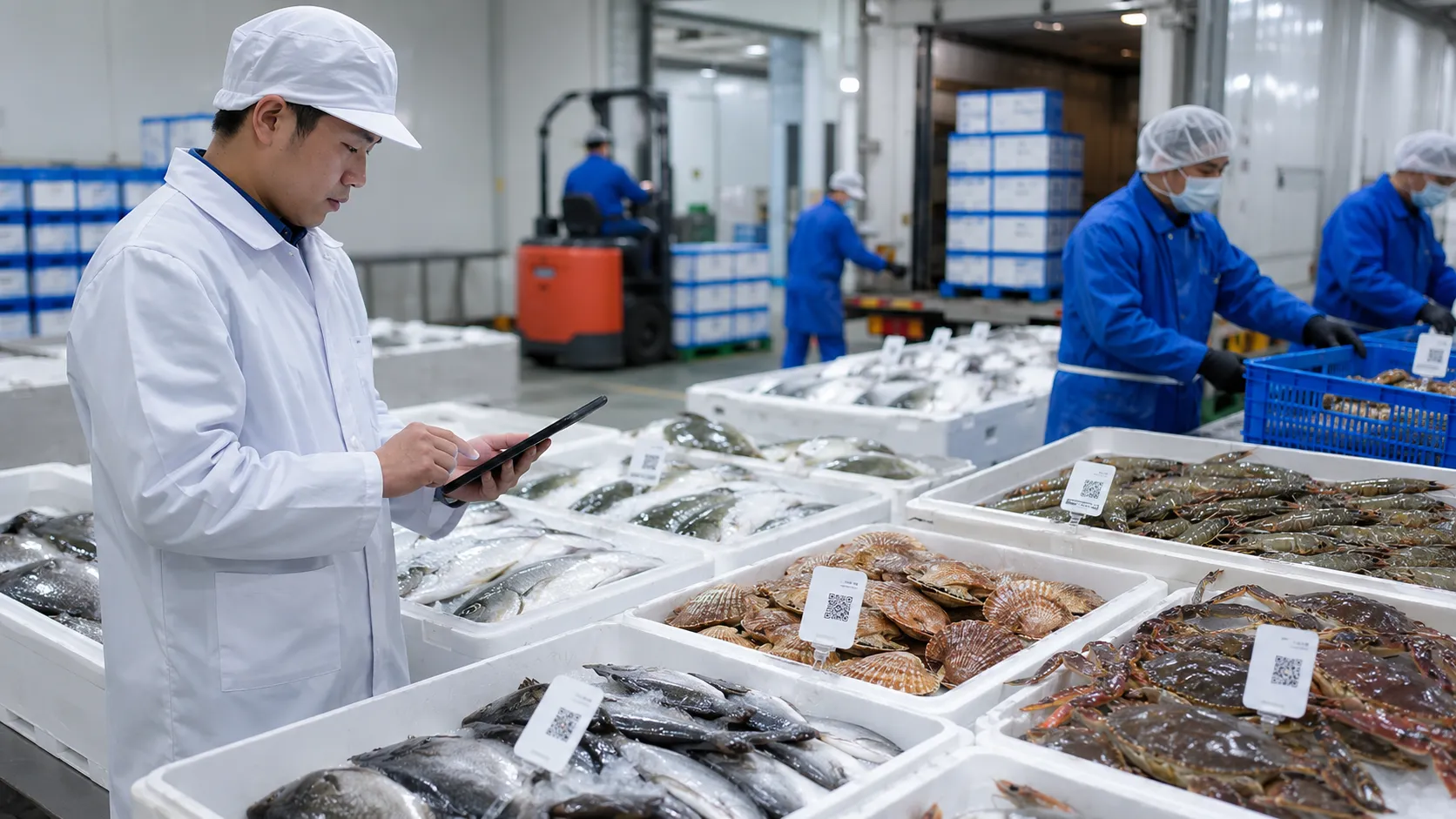
For seafood buyers, reliable procurement is not only about price and product availability. It also depends on knowing where products come from, how they were handled, what processing steps were completed and whether the information remains consistent throughout the supply chain.
Traceability creates a clearer connection between sourcing, inspection, processing, storage and delivery. For importers, wholesalers, distributors, foodservice operators and institutional buyers, this visibility can make supplier evaluation and routine purchasing more structured.
From Source Information to Receiving Records
A practical seafood traceability process begins before products enter processing. Basic source information, product category, supplier information, receiving date, batch identification and inspection records can be organized together so that later handling steps can be linked back to the same lot.
This is especially useful when a buyer purchases multiple seafood categories or works with different specifications. A clear batch structure helps reduce confusion between product origins, grades, cuts, packaging formats and customer orders.
Inspection and Processing Need to Stay Connected
Traceability becomes more valuable when inspection and processing information are not stored separately. For example, receiving inspection, sorting, trimming, portioning, packing and storage records can all reference the same batch or order number.
This creates a more consistent information chain. If a buyer later needs to confirm product specifications or review the handling history of an order, the relevant records can be found more efficiently.
Supporting More Consistent B2B Communication
In B2B seafood trade, buyers often need quick confirmation of product details before placing or repeating an order. A traceable supply process helps the supplier answer practical questions about sourcing, processing, packing and dispatch more clearly.
It also helps when one customer requires a different specification from another. Instead of relying only on verbal communication, order-specific information can be connected to the corresponding batch and handling records.
Traceability as Part of Supply-Chain Management
Traceability should not be treated only as a final document. Its real value comes from being integrated into daily seafood supply-chain management.
When sourcing, inspection, processing, cold storage and delivery information are connected, procurement teams gain a clearer view of how products move through the supply chain. This supports more reliable supplier management and creates a stronger foundation for long-term B2B cooperation.